
fire safety guide principles equipment & training
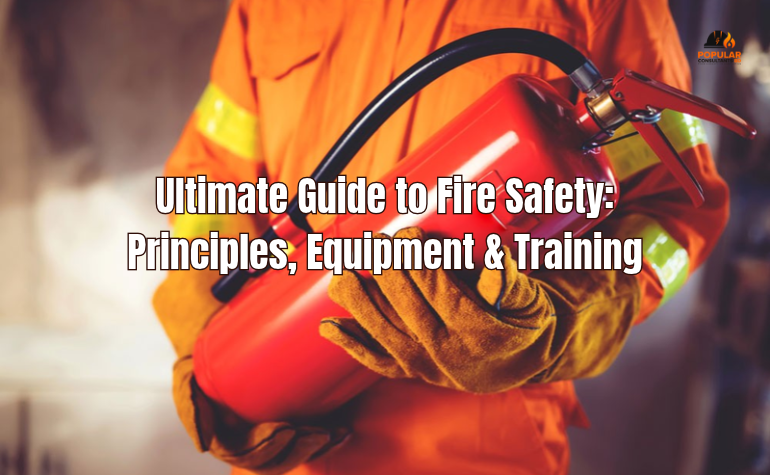
fire safety guide principles equipment & training
Complete Guide to Fire Safety: Prevention, Equipment & Compliance
Fire safety is a set of essential practices and engineering controls designed to reduce destruction caused by uncontrolled fire. From dense urban high-rises to sprawling manufacturing plants, implementing robust measures prevents ignition, limits fire spread, and protects human lives. Threats to building protection are commonly known as
fire hazards, which increase ignition likelihood or impede emergency escape.
Achieving true safety requires understanding fundamental fire science, installing certified systems, and training personnel to respond effectively during emergencies.
1. The Fire Triangle and Common Workplace Hazards
To manage fire risks, facility managers must understand the "Fire Triangle". A fire requires three components to ignite:
-
Heat (Source of Ignition): Heaters, defective electrical wiring, naked flames, smoking materials, or hot surfaces.
-
Fuel: Wood, paper, flammable solvents, accumulated rubbish, packaging materials, or dusts.
-
Oxygen: The surrounding air or specialized oxidizing agents.
Common workplace hazards often arise from poor housekeeping, overloaded electrical circuits, unattended equipment, or improper storage of flammable liquids. Separating ignition sources from combustible fuel is the fundamental rule of fire prevention.
2. Essential Fire Safety Equipment and Suppression Systems
Modern buildings rely on both active and passive protection systems. Deploying the right fire and safety equipment ensures early detection and immediate containment.
Key equipment includes:
-
Detection & Alarm Systems: Smoke sensors, heat detectors, and manual pull stations that provide early warning.
-
Portable Fire Extinguishers: Essential fire safety equipment categorized for specific hazards (Class A, B, C, D, and K).
-
Automatic Sprinklers & Hydrant Networks: Permanently installed suppression networks designed to extinguish or control fires automatically.
-
Emergency Signage: Clear exit signage and a visible fire safety poster deployed near assembly points to guide evacuation routes smoothly.
3. Developing a Comprehensive Fire Safety Plan
A structured fire safety plan outlines emergency procedures, evacuation routes, and responsible personnel duties. According to international standards like the National Fire Protection Association (NFPA) and national codes such as the Bangladesh National Building Code (BNBC), building owners must maintain updated safety plans.
A standard plan incorporates clear fire safety guidelines:
-
Detailed building layout maps indicating emergency exits and hydrants.
-
Established evacuation protocols and designated assembly areas.
-
Regular inspection routines for alarms, suppression networks, and fire doors.
-
Guidelines for safe storage and handling of hazardous chemicals or flammable materials.
4. Professional Fire Safety Training and Certification
Equipment alone cannot guarantee protection without trained human intervention. Conducting regular fire safety training and drills builds emergency readiness across an organization.
For professionals seeking specialized leadership roles:
-
Enrolling in a formal fire science and occupational safety course provides technical depth in risk management, building code audits, and hydraulic analysis.
-
Completing a certified fire safety manager course equips facility officers to lead risk assessments, manage compliance, and coordinate emergency responses.
-
Attending a specialized fire safety manager course in bangladesh prepares engineers and compliance managers to navigate local regulatory codes, Fire Service approvals, and industrial safety standards effectively.
5. Risk Assessment and Regulatory Compliance
Employers and facility management must carry out periodic fire risk assessments. Identifying potential ignition sources, evaluating structural hazards, and closing compliance gaps reduces financial loss and legal liabilities.
Partnering with certified safety consultants ensures that building design, electrical layouts, and suppression networks comply strictly with BNBC and NFPA codes, protecting infrastructure from catastrophic incidents
